Play for Real Money at Trusted Online Casinos: Your Guide to Safe Payouts and Big Wins

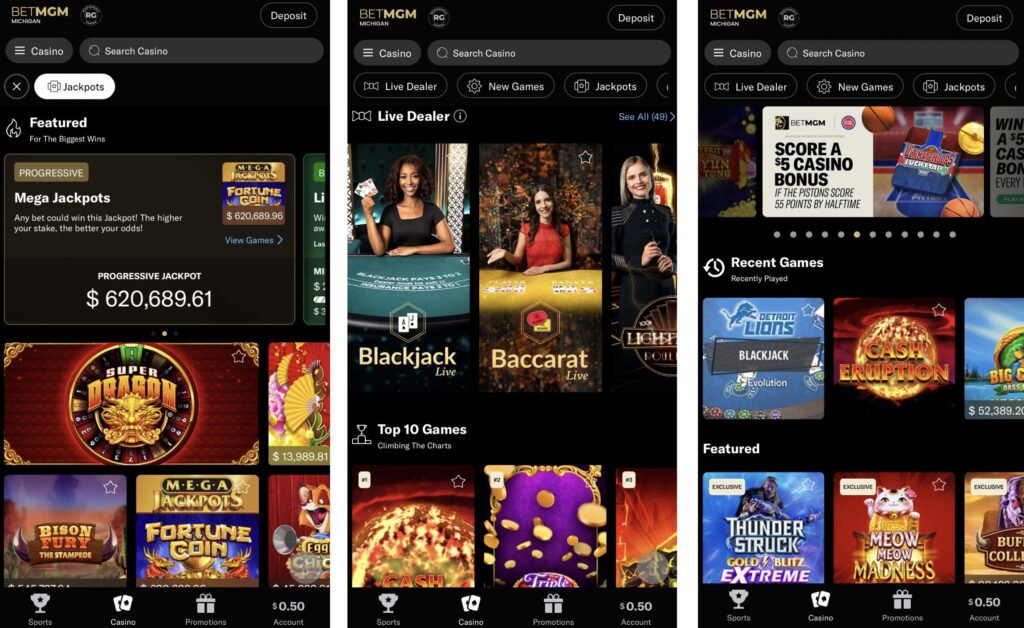
Ever wondered what it feels like to turn a small wager into a real payout from the comfort of your couch? A real money casino lets you play classic games like slots, blackjack, and roulette with actual cash on the line, giving every spin and hand a thrilling edge. You simply deposit funds, choose your game, and any winnings land directly in your account for withdrawal whenever you’re ready. Real money casino play combines the excitement of gambling with the convenience of instant, secure transactions—making every bet count for something tangible.
Top-Rated Real-Money Gaming Platforms: A 2025 Comparison
For 2025, comparing top-rated real-money gaming platforms reveals that payout speed and game variety are the primary differentiators among leading real money casino sites. The best platforms prioritize instant withdrawal options like e-wallets, while others offer slower bank transfers, directly impacting your access to winnings. A crucial factor in any 2025 comparison is the quality of live dealer software, with top platforms featuring high-definition streams from multiple camera angles for an immersive experience. Furthermore, evaluating the wagering requirements tied to welcome bonuses is essential, as the most user-friendly real money casino options offer transparent, low-playthrough deals. Ultimately, the top-rated platforms excel by combining robust mobile compatibility with a diverse slot and table game library, ensuring a seamless transition between devices without compromising gameplay quality.
Licensing and Security Protocols That Define Trustworthy Operators
A trustworthy operator’s license is not a mere badge but a binding contract with a jurisdiction that audits random-number generation, payout ratios, and dispute resolution. Look for a license from a body that mandates segregated player funds, ensuring your deposits are never used for operational cash flow. Equally critical are encryption protocols like TLS 1.3, which secure every transaction, and mandatory two-factor authentication (2FA) for withdrawals, not just logins. Verified SSL certificates and published audit trails distinguish genuine operators from clones, as do transparent logs of account verification requests. Finally, confirm the platform enforces self-exclusion tools tied to your identity across its network, proving its security framework prioritizes your control over the operator’s convenience.
Payout Speed Benchmarks: Where Cashouts Arrive Fastest

For players prioritizing liquidity, e-wallet withdrawals remain the definitive speed benchmark, often landing in under two hours. Skrill and PayPal consistently beat bank transfers, which typically take 1–3 business days. Cryptocurrency payouts lead the pack, with many platforms confirming transactions in under fifteen minutes, provided the casino’s manual review is waived. However, the fastest cashouts are conditional on completed KYC verification before withdrawal. A critical benchmark is the “pending time”—top-tier sites clear this in zero to six hours, versus the industry’s sluggish 24-hour norm. To find where cashouts arrive fastest, filter platforms by their real-time payment processor integrations, as this dictates the true speed of casino payout processing, not the advertised maximum.
Game Selection Depth: From Live Dealers to Megaways Slots
The depth of a platform’s library hinges on bridging live dealer immersion with Megaways volatility, as 2025’s top-tier real-money casinos balance these extremes within a single lobby. A robust selection lets you pivot from high-stakes, human-dealt blackjack tables to 117,649-way slots like *Bonanza* without switching apps, ensuring bankroll flexibility across session types. Prioritize sites that layer multiple software providers—Evolution for live, Pragmatic and Big Time Gaming for Megaways—so RTP ranges and max-win potentials vary meaningfully. The best real-money casino experience emerges when filter tools let you isolate betting limits and feature volatility, letting you match game depth to your risk appetite instantly.
Smart Bankroll Tactics for Playing with Actual Currency
Mastering smart bankroll tactics at a real money casino begins with setting a strict session loss limit before you deposit, ensuring you never chase losses with funds meant for essentials. Divide your bankroll into smaller, fixed betting units—typically 1–2% of your total per wager—to withstand inevitable variance without going bust. Always play with actual currency you can afford to lose entirely, never borrowed money, and cash out half of any significant winning streak to lock in profit. Treat bonuses with zero wagering requirements as free capital, but otherwise ignore them if they force oversized bets. Finally, walk away after doubling your bankroll or hitting your loss cap; discipline transforms gambling from a drain into a controlled, sustainable activity where your money works strategically for you.
Setting Loss Limits and Win Goals Before Your First Spin
Before your first spin with real money, anchor your session with two non-negotiable numbers: a loss limit and a win goal. Decide the maximum you’ll lose—say, 20% of your bankroll—and the profit point where you’ll walk away, like 30% up. This pre-commitment turns chaos into a disciplined exit strategy, shielding you from tilt-fueled chases. Pre-set loss limits prevent emotional bankroll wipeouts by making the stop automatic. Follow this sequence:
- Set your loss cap as a fixed currency amount, not a percentage of changing balance.
- Define your win goal—enough to feel satisfying, yet realistic for the game’s volatility.
- Commit to stopping instantly when either triggers, without a “one more spin” exception.
This simple framework turns every session into a controlled transaction, not a gamble on your self-control.

Utilizing Casino Bonuses Without Falling Into Wagering Traps
To truly profit from real money play, treat every bonus as a conditional contract, not a gift. Before claiming, inspect the wagering requirement—a 35x playthrough on your deposit plus bonus is vastly different from 35x on the bonus alone. Prioritize games that contribute 100% to the rollover, like slots, and avoid blackjack or roulette, which often count at a paltry 10% or are excluded entirely. Set a strict loss limit before you start churning, and cash out the moment you hit the threshold. This discipline turns a potential trap into a strategic edge, allowing you to extend your bankroll without surrendering control to hidden rules.
When to Walk Away: Psychology of Chasing Losses vs. Walking Up
The moment you lose at a real money casino, your brain screams “one more spin” to claw back the cash. That’s the **chasing losses trap**—it turns a small dent into a blown bankroll because losses feel worse than wins feel good. Walking up, by contrast, means setting a loss limit *before* you play and honoring it like a bill. Try this sequence: decide your stop-loss number, cash out any win that doubles your session stake, then physically leave the table or close the app. If you feel a hot streak erasing pain, that’s your cue to quit, not double down. Your goal isn’t to win every session—it’s to survive to play tomorrow.
Mobile-First Gambling Experiences: Apps vs. Browser Play
For real money casino play, dedicated apps generally deliver superior performance, offering faster loading times and smoother animations than browser-based versions on mobile devices. Apps also enable instant login via biometrics and push notifications for bonuses, while browser play eliminates storage constraints and works seamlessly across multiple devices without updates. However, a crucial nuance emerges with security: a trusted app from a verified casino often provides more robust encryption than a generic mobile browser session, though reputable casinos encrypt both equally well. Browser play excels in flexibility, letting you switch between games quickly and avoiding the app-store download hassle, but it may suffer from slower response during live dealer sessions. Ultimately, your choice hinges on whether you prioritize raw speed and convenience or frictionless access and device flexibility, with the mobile browser increasingly closing the gap for casual real-money sessions.
Dedicated App Performance on iOS and Android Devices
On iOS, dedicated real money casino apps leverage the native Metal API and hardware-accelerated rendering for buttery-smooth 120Hz animations, making every spin and card flip feel instantaneous. Android devices, while more fragmented, benefit from apps that compile to AOT machine code, eliminating JavaScript engine lag that plagues mobile browsers. Unlike Safari or Chrome, a dedicated app keeps your session active in memory, enabling instant resume even after a phone call or notification, without reloading the entire casino lobby. Critical banking actions, like tapping “Deposit,” execute via pre-fetched UI components, shaving milliseconds off every interaction. Dedicated app performance on iOS and Android devices consistently beats browser play by reducing touch latency and network overhead.
Native iOS and Android apps deliver superior speed, stability, and responsiveness compared to browser-based play, ensuring seamless real money sessions.
Instant-Play HTML5 Casinos That Require No Downloads
For real-money play, instant-play HTML5 casinos requiring no downloads eliminate install friction by running entirely within a mobile browser’s secure session. Your funds and spins persist via server-side accounts, so closing the tab never interrupts a hand or slot round. Cashouts route through the same verified payment rails as native apps, though browser-based play depends on a stable connection—a sudden drop mid-bet triggers an automatic session resume. Unlike app counterparts, these casinos lack push notification prompts, which some players prefer for discretion. Game loading times hinge on your device’s cache, but modern HTML5 titles match app-rendered graphics on current flagships. Banking menus, live dealer streams, and RNG audits all function identically to downloaded software, minus the storage footprint.
Instant-play HTML5 casinos offer real-money betting with zero downloads, relying on persistent server sessions and browser compatibility for seamless, storage-free play.
Exclusive Mobile-Only Promotions and Free Spin Offers
Exclusive mobile-only promotions reward app users with no-deposit free spins that browser players never see, often tied to a verified mobile account and triggered instantly after installation. These free spin offers typically target specific slot titles, with wagering requirements displayed in the app’s promo lobby before you claim. To maximize value, check whether spins expire within 24 hours and whether they exclude bonus buys or progressive jackpots. Push notifications alert you to flash spin drops, but you must opt in—otherwise the offer vanishes. Always verify that real-money withdrawals from mobile bonus winnings are permitted on the same device you played.
- Claim free spins only via the app’s dedicated promo banner—desktop codes rarely work on mobile.
- Track spin expiry timers inside the app; unused mobile credits disappear at midnight.
- Compare mobile-only no-deposit spins against your deposit amount—some offers cap winnings at 5x your first top-up.
Payment Methods for Cash Wagers: Deposit and Withdrawal Guide
When playing at a real money casino, your deposit and withdrawal choices directly impact how fast you can start betting and pocket your wins. Credit cards like Visa and Mastercard offer instant deposits, but withdrawals can take 2–5 business days. E-wallets such as PayPal, Skrill, and Neteller provide the fastest cash-out speeds—often processing withdrawals within 24 hours—while also acting as a buffer between your bank and the casino. Prepaid cards are great for strict deposit limits but rarely support withdrawals, so you’ll need an alternative method to collect funds. Always check if the casino charges fees for bank transfers, as these can eat into your cash wagers. Before depositing, confirm your chosen method is eligible for both sides of the transaction to avoid locked funds.
E-Wallets (PayPal, Skrill) vs. Cryptocurrency for Speed and Anonymity
For cash wagers, e-wallets versus crypto for payout speed hinges on processing layers. PayPal and Skrill offer near-instant casino deposits, but withdrawals often face a 12–48 hour “pending” review before funds hit your wallet. Cryptocurrency, by contrast, moves on-chain in minutes (or seconds on Litecoin), with no manual casino approval step after the transaction is broadcast. On anonymity, Skrill and PayPal are strictly KYC-bound—your full identity is linked to every transfer. Crypto provides pseudonymity: a wallet address alone, though not fully private, masks your name from the casino’s banking records. For maximum speed, choose a crypto with low fees; for accountable, reversible disputes, e-wallets win. Privacy seekers should avoid PayPal entirely.
- PayPal withdrawals can hold funds for up to 48 hours; crypto is irreversible once confirmed.
- Skrill requires verified identity for withdrawals over a threshold; Bitcoin needs no such proof.
- E-wallet deposits appear instantly, but crypto deposits depend on network confirmations (1–3 blocks).
- For anonymous play, use a fresh crypto address per deposit; e-wallets always expose your legal name.
Bank Transfer and Credit Card Processing Times Explained
When you cash out via credit card, expect fast casino payout timelines of 3–5 business days, though the issuer’s approval process can add a hiccup if the transaction flags as gambling. Bank transfers, by contrast, move slower—typically 5–7 business days—because they route through multiple intermediary banks before hitting your account. Deposits flip this: cards credit instantly (or within minutes), while wire transfers can take 1–2 business days to clear, especially on weekends. Always check if your casino holds withdrawals for 24–48 hours first, which stretches both methods. For the quickest win, use cards for deposits and patience for transfers.
Bank transfers favor slower, secure settlement (5–7 days out, 1–2 in), while credit cards deliver instant deposits but 3–5 day withdrawals—plan your cash flow around these windows.
Zero-Fee Cashout Options Every High Roller Should Know
For high rollers, zero-fee cashout options hinge on selecting methods where the casino absorbs transaction costs, not the player. Cryptocurrency, especially Bitcoin and Ethereum, often carries no withdrawal fee, though network gas fees may apply depending on the blockchain. E-wallets like Skrill and Neteller frequently offer free payouts, but only if you meet VIP tier thresholds for monthly volume. Bank transfers are rarely free—waivers usually require a minimum withdrawal amount, such as $5,000 or more. Prepaid cards like Paysafecard typically have zero charges but impose strict daily limits. Always verify the casino’s fee schedule for each method before requesting, as some operators bundle zero-fee status with wagering requirements or loyalty status.
Progressive Jackpot Networks: Chasing Seven-Figure Payouts
When chasing seven-figure payouts in a real money casino, progressive jackpot networks pool stakes across thousands of players, making the top prize grow until one lucky spin triggers it. Your odds remain fixed per wager, so always verify the minimum bet required to qualify—many networks void the jackpot if you spin below that threshold. Play max lines where applicable, and remember the jackpot resets to a seeded amount after a win, so timing a hunt after a reset often yields lower base-game volatility. Check the network’s contribution rate: a higher percentage of each stake feeds the jackpot, but that also means a lower RTP on base spins. Q: Can you win the entire seven-figure pool with a small bet? A: Only if that small bet meets the network’s stated qualifying stake—otherwise, you may win a fixed secondary prize instead. Prioritize networks displaying real-time meter updates and clear payout rules to avoid surprises on your real money balance.

How Prize Pools Accumulate Across Multiple Software Providers
In a real money casino, progressive jackpot networks pool a small percentage of every qualifying bet placed across multiple software providers into a single, shared prize fund. Each provider’s games connect to the same central ledger, so a spin on one developer’s slot contributes to the same growing pot as a wager on another’s title. This cross-provider aggregation accelerates accumulation because the contribution rate compounds across thousands of simultaneous players, regardless of which platform hosts the game. The jackpot meter updates in real time, reflecting every bet from every connected casino, until one lucky player hits the winning combination and resets the prize to its seed value.
- Every wager on a linked slot adds a fixed percentage (often 1–3%) to the shared pool.
- Providers synchronize jackpot values via a common network protocol, ensuring identical amounts across all participating casinos.
- Higher player traffic on one provider’s game directly boosts the prize available on another’s, creating a unified, fast-growing payout.
Volatility vs. Jackpot Size: Choosing the Right Slot Profile
When chasing a progressive jackpot, your bankroll dictates the optimal profile. High-volatility slots offer massive, rare top prizes but can drain funds quickly between hits, suiting patient players with larger reserves. Low-volatility progressives pay smaller, frequent wins, allowing extended play but typically feature far smaller jackpot caps. Your risk tolerance should determine whether you prioritize survival time or the slim chance at a life-changing sum. For most real money players, a balanced mid-volatility progressive offers a compromise, though the jackpot size will never reach the heights of high-volatility networks.
- Match volatility to your session length: short sessions favor low-volatility grinders.
- High-volatility progressives demand a bankroll that can withstand 200+ dead spins.
- Always check the jackpot-to-bet ratio; a small jackpot with high volatility is a poor trade.
- Low-volatility jackpots suit small, consistent budgets but cap your ceiling.
Ultimately, choosing the right slot profile hinges on whether you value frequent small boosts or the remote possibility of a seven-figure payout.
Myth-Busting Random Number Generators in Jackpot Systems
A common misconception is that a progressive jackpot’s RNG “remembers” recent losses or that the payout becomes “due” after a dry spell. In reality, each spin’s outcome is an independent event, governed by a continuously cycling algorithm seeded with unpredictable entropy. The jackpot’s size does not alter the odds of triggering it—the mathematical fairness of jackpot RNGs remains static regardless of the displayed meter. However, the house edge on progressive games is typically higher than on flat-top slots because a portion of every wager funds the growing prize, not because the RNG adjusts its behavior. Thus, chasing a seven-figure payout is never strategically smarter than playing any other spin; your probability is identical on spin one and spin one million.
Live Dealer Tables: Immersive Play with Stakes You Set
Live dealer tables bring the real money casino floor straight to your screen, letting you watch a human croupier spin, deal, or roll in real time. You set the stakes, so whether you want to test a low-limit blackjack hand or push a bigger bet on roulette, the table adjusts to your comfort zone. The chat with the dealer and other players keeps the energy social, unlike automated games. That said, the convenience of betting from your couch doesn’t erase the fact that house edge still applies every single round. You control your bankroll by choosing table minimums that match your session plan, and you can cash out instantly after a win. The immersion comes from seeing the cards and wheel live, not from hidden algorithms. Just remember to set loss limits before you join, because the pace is fast and the stakes are yours to manage. Real money here means real adrenaline, but also real responsibility.
Blackjack, Roulette, and Baccarat Streams That Feel Like Vegas
Blackjack, roulette, and baccarat streams recreate the sensory overload of the Strip, from the clack of chips to the dealer’s crisp suit. In blackjack, you watch the shoe’s burn card and hear the pit boss’s nod, while adjustable camera angles let you spot the upcard before splitting tens. Roulette streams use slow-motion ball tracking and haptic-style side cameras, so you can call the winning number just as the wheel stutters. Baccarat’s squeezed reveals, with the dealer peeling the edge of the card, deliver that high-stakes tension without a five-figure minimum. The real trick is choosing a stream with 4K clarity and minimal delay, since every second of lag can blur your betting decision under pressure. These are live casino broadcasts that feel like Vegas, letting you set the stake and still feel the floor’s pulse.
Blackjack, roulette, and baccarat streams distill Vegas’s energy into your screen, with crisp dealer actions and real-time pace—set your own limits, feel the same jolt.
Side Bets and Insurance Options for Advanced Strategy Players
For advanced players at real money casino live tables, side bets and insurance options demand precise bankroll allocation. Strategic side bet timing hinges on table-specific paytables, such as Perfect Pairs or 21+3, where house edges vary from 2% to 11% depending on payout ratios. Insurance, typically offered when the dealer shows an ace, mathematically favors the house unless card counting is viable—rarely in continuous shuffle games. Skilled players select side bets only when the main wager’s edge is minimized, using them as volatility spikes rather than core strategy. Comparing options reveals:
| Option | House Edge | Best Use |
|---|---|---|
| Perfect Pairs | ~5-11% | Short sessions, high variance |
| Insurance | ~7.4% | Avoid unless count positive |
| 21+3 | ~3-7% | Combo with basic strategy |
Never chase insurance as a hedge; treat both as optional multipliers limited to a fixed percentage of your base bet.
Interaction Features: Chatting with Croupiers and Table Mates
The chat panel is your direct line to the dealer, allowing you to request card speed adjustments or clarify table rules mid-session, all without interrupting the game flow. Typing a friendly remark to the croupier, who often responds verbally via a live microphone, recreates the social rapport of a brick-and-mortar floor. You can also engage table mates in side conversations about strategy or recent wins, though most platforms offer a separate “player-to-player” toggle so you can mute banter if you prefer laser focus. Remember that chat is never a place to solicit tips or share private account details, as sessions are routinely logged for dispute resolution. A well-timed live dealer interaction can turn a solitary gamble into a shared, human-paced experience.
Responsible Gambling Tools Built into Modern Betting Sites
Modern real money casino platforms integrate responsible gambling tools directly into their interfaces, empowering players to maintain control over their spending. These include customizable deposit limits that cap daily, weekly, or monthly transfers, alongside loss limits that halt play once a threshold is reached. Session timers alert users to elapsed playing time, while reality checks pop up periodically to display net wins or losses. A prominent feature is the self-exclusion option, allowing temporary or permanent account suspension. Additionally, players can set wager limits, cooling-off periods, and access risk assessment dashboards that flag behavioral patterns like chasing losses. Crucially, all tools are reversible only after a mandatory 24-hour cooling-off delay, preventing impulsive changes. These built-in mechanisms are non-intrusive yet always accessible, typically found in the “Banking” or “Account Safety” menus, ensuring every real-money session includes voluntary safety nets.
Reality Checks, Time-Outs, and Self-Exclusion Features
To keep your real-money play in check, **reality checks and time-out tools** act as your first line of defense. A reality check pops up at set intervals, showing session length and net losses without interrupting your game flow—a moment of clarity amid the action. Time-outs offer a shorter, self-imposed cooldown, ranging from 24 hours to six weeks, letting you step back after a rough session without losing your account settings. For deeper concern, self-exclusion features lock you out for months or years, with some platforms offering mandatory cool-off before reactivation. These built-in controls put the power in your hands, ensuring the thrill never outpaces your judgment.
Using Deposit Caps to Maintain Control Over Your Spending
Setting a deposit cap at a real money casino is your most direct lever for financial discipline, transforming an abstract intention into an enforced daily, weekly, or monthly limit. By pre-committing to a maximum input, you eliminate impulse top-ups during losing streaks, ensuring that your bankroll remains a fixed, manageable variable rather than a reactive drain. This proactive ceiling lets you treat gambling as a calculated entertainment cost, not a chase for losses. Crucially, maintain control over your spending by adjusting these caps only with a cooling-off period, preventing momentary frustration from overriding your rational budget and securing long-term play without financial regret.
Where to Find Support for Problem Gambling Habits Instantly
If the fun ever stops feeling fun, every decent real money casino keeps a **responsible gambling help hub** just a click away, usually tucked into the footer or your account settings. Look for a live chat widget labeled “Support” or “Help,” which connects you to trained counselors 24/7 without leaving the game. You can also tap the “Reality Check” pop-up, which instantly shows your session time and losses, and some sites let you block yourself for 24 hours right then and there. For immediate external backup, trusted links to hotlines like Gamblers Anonymous appear on the same page, ready to call or text.
- Hit the “Get Help” button in the cashier menu for instant chat with a specialist.
- Use the built-in self-exclusion toggle to freeze your account within seconds.
- Bookmark the site’s direct crisis hotline number shown on the help page.
VIP and Loyalty Programs: Earning Comp Points on Every Stake
You slide a hundred onto the felt, and the machine’s heartbeat skips—not for the spin, but for the ledger ticking behind it. In a real money casino, VIP and loyalty programs turn every stake, win or lose, into a silent deposit of comp points. The dealer flips your card; you lose the hand, yet your player card gains weight. That’s the trick: your action alone fuels the meter, regardless of outcome. Over a long night, those infinitesimal fractions stack into free play, room upgrades, or cashback rebates.
The house always pays you back—just not at the table, but in the quiet arithmetic of your loyalty tier.
You check your balance after a rough session, expecting nothing, and find a bonus that softens the sting. It’s not luck; it’s architecture designed to make every bet feel like an investment in your next visit.
Tier Upgrades, Cashback Rebates, and Personal Account Managers
As your comp points accumulate, real money casino VIP programs typically trigger tier upgrades that unlock escalating cashback rebates. Each level—from Silver to Diamond—raises your weekly rebate percentage on net losses, often from 5% up to 15%, paid directly to your balance. Personal account managers become available after reaching mid-tier status, providing a direct line for negotiating custom rebate rates, processing faster withdrawals, and manually adjusting comp point multipliers. To maximize these benefits, follow this sequence: check your current tier’s rebate cap, request a rebate recalculation after any losing session, and contact your manager to confirm bonus eligibility. Higher tiers also convert comp points at better ratios. Always verify rebate terms—wagering requirements or maximum cashout limits—before relying on them as a loss recovery tool. Your manager can clarify which rebates count as cash versus bonus credit.
Redeeming Points for Free Play, Merchandise, or Hard Cash
When your comp balance grows, the real question is how to cash in that value. You can convert points directly into redeemable casino credit for free play, letting you extend sessions without dipping into your bankroll. Alternatively, many loyalty shops offer branded merchandise—from electronics to luxury goods—where your points act as pure currency. For the most flexible option, tastefulgarden hard cash redemptions transfer straight to your account or wallet, often with no wagering strings attached. Always check the exchange rate and minimum thresholds before cashing out, then choose the payoff that matches your goals: instant action, tangible rewards, or cold, hard money.
Loyalty points hold three distinct exit strategies: free play for more spins, physical merchandise for tangible value, or hard cash for complete flexibility—pick the redemption that serves your play style best.
Comparing High-Limit Rooms vs. Standard Tables for Rewards
When weighing high-limit rooms vs. standard tables for rewards, the core difference lies in the comp rate per hour, not the percentage. High-limit tables typically offer a lower theoretical return to the player, but the massive average bet size generates a larger total comp value despite the same or even reduced rate. Standard tables produce slower comp accumulation because your average wager is smaller, so your theoretical loss—and thus your rewards—remains modest. In high-limit rooms, you also often receive faster point crediting, dedicated hosts, and immediate upgrades, while standard tables may require longer sessions to reach the same tier threshold. However, the risk of bankroll swings is proportionally higher, so comps should never justify betting beyond your comfort zone.
- High-limit tables generate higher comp dollars per hour due to larger average bets, even if the comp percentage is identical.
- Standard tables reward consistency and longer play, but reaching VIP tier milestones takes significantly more time.
- High-limit rooms often offer negotiated comps (meals, suites) that standard tables rarely match.
- Track your actual theoretical loss—high-limit comps only pay off if your average stake is consistently large.
Legal Landscape: Jurisdictions Where Online Wagers Are Permitted
From the neon glow of Atlantic City to the quiet corners of Malta, the map of real money casino play is a patchwork of green lights. In the United States, you find legal wagers only within specific state borders, like New Jersey or Pennsylvania, where a player’s IP address acts as the gatekeeper. Across the Atlantic, the United Kingdom offers a unified license, so a bettor in London can spin a slot with the same legal certainty as one in Manchester. Canada permits real money casino games province-by-province, while Australia restricts interactive poker but allows other wagering forms. For the savvy player, the golden rule is simple: your physical location, not your passport, dictates legality. Even a few miles across a state line can turn a legal bet into a criminal act, so always verify your current coordinates before depositing a cent. The virtual felt has very real borders.
State-by-State Regulations for US Players in 2025
In 2025, your access to real money casinos hinges entirely on your physical location, not your ID. New Jersey, Pennsylvania, Michigan, and West Virginia remain the most reliable hubs, offering dense game libraries and fast payouts. Meanwhile, states like Connecticut and Delaware maintain quieter, but solid, regulated markets. Crucially, you must be physically within state borders to play, with geolocation software verifying your spot—spoofing is a losing battle. State-by-State Regulations for US Players in 2025 also mean tax reporting differs sharply; winnings in some states trigger automatic withholding, while others leave it to you. Before depositing anywhere, cross-check your current zip code against active legal markets—otherwise, you are gambling on more than just cards.
Always verify your physical presence against each state’s active licensing list—2025 legality is a map you must read in real time, with zero tolerance for location fudging.
Offshore Casinos vs. Locally Licensed Sites: Risk Assessment

When weighing offshore casino risk assessment against locally licensed sites, your first check should be dispute resolution. A local license means a regulatory body in your own timezone can compel a payout, while offshore operators often route complaints through arbitration forums that take months. Next, examine payment reversals—local sites usually integrate with domestic banking rails, so chargebacks are straightforward; offshore casinos may use crypto or e-wallets, making funds nearly unrecoverable if a bonus dispute turns sour. Finally, consider data sovereignty: locally licensed platforms store your ID under your country’s privacy laws, whereas offshore servers may share your details with third-party data brokers. Q: Which carries more hidden financial risk? A: Offshore casinos—unless they hold a Tier-1 jurisdiction license (UK, Malta, Gibraltar). Even then, currency conversion fees and withdrawal limits can eat into winnings. Local sites are slower to innovate but far more predictable when cash is on the line.
Verifying Your Age and Identity Without Delays
Before you spin for real money, every legal casino must confirm you meet its age threshold—usually 18 or 21—and verify your identity. Speed this up by uploading a clear, current government-issued ID and a recent utility bill before you deposit. Pre-verified accounts let you cash out without sudden holds, so complete the check during quiet hours (early morning) when support is fastest. Many sites accept e-verification via bank login, cutting manual review to minutes. **Quick identity verification for casino withdrawals** is your ticket to uninterrupted play. Fast-track KYC approval means scanning both sides of your ID and matching your name exactly to your funding method. Q&A: What’s the fastest way to verify my age and identity without delays? Use a passport and complete the form on mobile immediately after sign-up—not before your first withdrawal.
User Experience Fails: Red Flags That Signal an Untrustworthy Site
When a real money casino’s interface forces you to re-enter payment details after every page refresh, that friction is a deliberate red flag, not a bug. Similarly, if the “withdraw” button vanishes or greys out the moment you hit a certain balance threshold, the user experience is engineered to trap funds. A trustworthy site lets you navigate game history and cashier functions without unexpected pop-ups that hijack your session; aggressive interstitial ads during a spin signal desperation. A clunky mobile layout that misaligns your bet amounts might be the first symptom of a backend that misrecords wagers. Watch for loading screens that never resolve during payout requests, or a chat widget that disconnects after you ask about terms. These friction points are not poor design—they are calculated obstacles. Likewise, if the “logout” button is buried while “deposit” is always one click away, the UX is steering your money, not your control. Treat every unnecessary step to access your balance as a warning.
Unclear Terms on Bonus Eligibility and Withdrawal Limits
When a real money casino buries bonus terms in vague phrasing, you are the one paying for it. Unclear terms on bonus eligibility and withdrawal limits often hide wagering requirements that reset after every deposit or cap your maximum bet during play. If the site says “up to” without stating a fixed multiplier, assume the worst. The difference between a bonus you can keep and one you cannot often rests on a single overlooked sentence about game weightings. Before depositing, demand a clear breakdown of max cashout and eligible games. Your winnings hinge entirely on transparent withdrawal rules.
Q: How do unclear bonus terms directly affect my ability to withdraw? They let the casino void your balance retroactively, citing a rule you never saw clearly defined.
Third-Party Game Audits and Fair Play Certifications
When evaluating a real money casino, the absence of a verifiable third-party game audit is a critical red flag. Reputable operators display certifications from independent labs like eCOGRA, iTech Labs, or GLI, which test Random Number Generators (RNGs) for statistical fairness and payout accuracy. A legitimate certification will include a unique certificate number and a live link to the auditor’s database; if the badge is unclickable or leads to a generic homepage, treat it as fake. Fair play certifications also cover return-to-player (RTP) percentages, so you can cross-check the advertised RTP against the auditor’s published results. Before depositing, always search the lab’s official site for the casino’s name—not the casino’s own claims.
Customer Support Response Time and Resolution Quality Metrics
When evaluating a real money casino, customer support response time and resolution quality metrics are direct red flags for trustworthiness. A delayed first reply—beyond five minutes for live chat or 24 hours for email—signals understaffing or neglect. Resolution quality matters more than speed: if an agent provides generic scripts, avoids refund specifics, or closes tickets without confirmation, the site prioritizes retention over fairness. Track these metrics yourself by submitting a test query about withdrawal limits. First-contact resolution rate is the key indicator; a casino that solves issues in one interaction usually honors payouts, while repeated escalations or cut-off chats indicate systemic failure.
- Note the timestamp on your initial message.
- Ask a complex, account-specific question.
- Measure how many replies it takes to get a concrete answer.
A low ratio of answers to effort equals an untrustworthy operator.
What Exactly Is a Real Money Casino and How Does It Work?
Understanding the Core Mechanics of Playing for Cash Prizes
The Difference Between Pay-to-Play and Free-to-Play Modes
How to Choose a Trustworthy Platform for Cash Wagering
Key Features That Define a High-Quality Money Gaming Site
Payment Methods That Offer Fast and Secure Deposits and Withdrawals
Step-by-Step Guide to Getting Started with Cash Play
Setting Up Your Account and Verifying Your Identity Quickly
Making Your First Deposit and Claiming Welcome Bonuses Effectively
Top Games to Play When Betting with Real Funds
Slot Games with High Payout Percentages for Better Returns