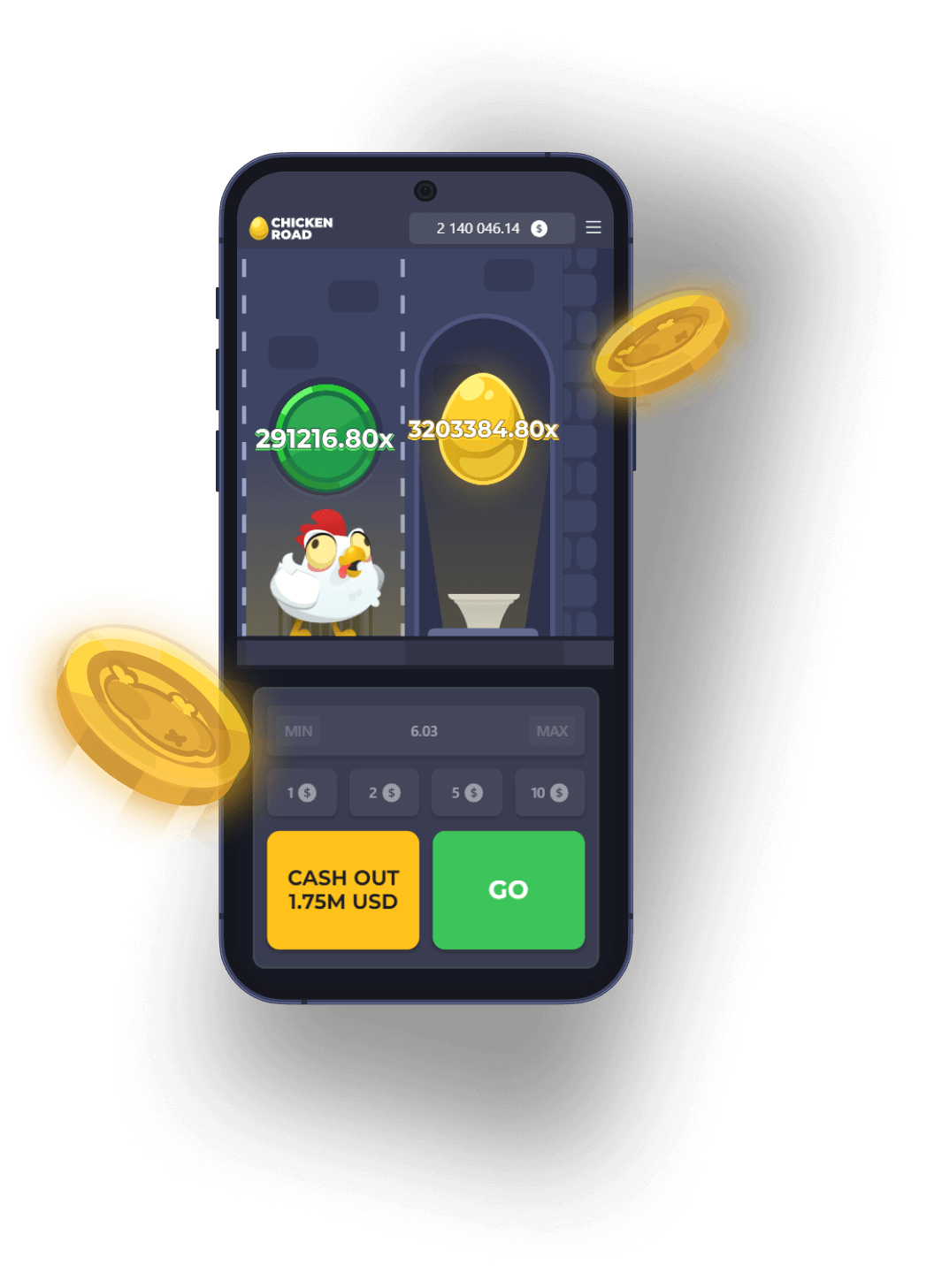
- Bonus details provided for the Chicken Subway casino game session
- Understanding the mechanics of Chicken Subway
- Navigating the subway environment
- The role of corn kernels in scoring
- Comparing game elements and player goals
- Managing obstacle density
- Score optimization strategies
- Common challenges and session errors
- Correcting movement errors
- Handling high-pressure segments
- Registration and account management
- Steps for creating an account
- Resolving login difficulties
- Deposits and withdrawals in the gaming environment
- Managing deposits for gameplay
- Understanding the withdrawal process
- Responsible gambling and player safety
- Utilizing self-regulation tools
- Recognizing the importance of limits
- Practical advice for consistent sessions
Bonus details provided for the Chicken Subway casino game session
Chicken Subway is a game where players guide a chicken through a busy subway station to collect corn kernels. The primary objective involves navigating the character across various paths to increase a score by gathering as many kernels as possible. While moving through the environment, players must remain aware of oncoming trains and other obstacles that can end the session if the chicken is hit.
This game provides a specific type of interaction centered on movement and obstacle avoidance within a transit setting. The gameplay mechanics rely on the player successfully managing the chicken's path to maximize the kernel count before any collision occurs. Understanding the layout of the station and the movement of the trains is essential for anyone looking to improve their score in this specific title.
Understanding the mechanics of Chicken Subway
The core loop of this game involves a continuous process of navigation and collection. As the chicken moves through the subway station, kernels appear at various intervals, requiring the player to adjust their path to reach them. Each kernel collected contributes to the total score, making the pursuit of these items the central focus of every session. The environment is not static, as the presence of moving trains introduces a layer of complexity that requires constant attention from the player.
Obstacles within the station can take many forms, potentially blocking a direct path to the corn or forcing a change in direction. Players must learn to recognize the patterns of these obstacles to avoid losing their progress. Because the goal is to gather as many kernels as possible without being hit, the tension arises from the balance between being aggressive in seeking corn and being cautious about the surrounding hazards. This balance is what defines the experience of playing Chicken Subway during a single run.
Navigating the subway environment
The subway station serves as the primary arena for the game, featuring multiple lanes or paths that the chicken must traverse. The layout of the station influences how much corn is accessible at any given moment. Some areas might be dense with kernels but also high in risk due to the frequency of oncoming trains. Navigating these areas requires a clear view of the upcoming tracks to ensure the chicken can move safely between the kernels.
Successful navigation involves more than just moving forward; it requires lateral movement to dodge hazards. The timing of the trains is a crucial factor that dictates when it is safe to cross a track or enter a specific zone. If a player moves too early, they risk being hit by a train, while moving too late might result in missing a cluster of kernels that would have increased the score significantly.
The role of corn kernels in scoring
Kernels act as the primary metric for success within the game. They are scattered throughout the station, and their distribution determines the difficulty and the potential score of a session. Collecting these items is the only way to advance the score, making them the most important element for the player to target. The density of the kernels often correlates with the level of danger present in that specific section of the station.
As the game progresses, the player must decide whether to take risks for a large group of kernels or play more conservatively to stay alive. Since being hit by a train or an obstacle ends the attempt, the decision-making process around kernel collection is constant. Every kernel gathered brings the player closer to a higher score, but every decision carries the potential for a collision if the environment is not monitored closely.
Comparing game elements and player goals
Players often find themselves weighing different aspects of the game to determine the best way to approach a session. Some might focus entirely on the speed of movement to grab kernels quickly, while others might prioritize a slow and steady approach to avoid all possible hazards. Understanding these different styles can help a player decide how they want to engage with the mechanics. The following table compares the two most common approaches to managing the gameplay.
| Approach Type | Primary Focus | Main Risk Factor |
|---|---|---|
| Aggressive Collection | Maximizing kernel count quickly | High collision probability |
| Cautious Navigation | Avoiding all obstacles and trains | Missing high-value kernel clusters |
Choosing between these approaches depends on the current state of the game and the specific layout of the subway station. An aggressive approach might be better when the kernels are plentiful and the trains are spaced far apart, whereas a cautious approach is better when the station becomes crowded with obstacles. There is no single correct way to play, but being aware of these differences allows for better decision-making during the session.
Managing obstacle density
The density of obstacles in the station can change as the game continues, which affects how a player manages their movement. In sections where the subway tracks are highly active, the priority must shift toward safety. In areas with fewer trains but many obstacles on the ground, the player needs to focus on the physical layout of the station to ensure the chicken does not get stuck or hit by stationary objects.
Identifying the difference between moving hazards, like trains, and stationary obstacles is a key skill. Moving hazards require timing-based responses, while stationary obstacles require spatial awareness. A player who can distinguish between these two types of threats can navigate the station much more effectively, ensuring that the chicken remains on a path that maximizes kernel collection while minimizing the chance of being hit.
Score optimization strategies
To optimize the score, a player needs to look ahead at the path the chicken will take. Instead of just reacting to the nearest kernel, looking at the broader layout can reveal more efficient routes. This foresight allows the player to plan a trajectory that hits multiple kernels in a single movement sequence, which is much more effective than zigzagging erratically. Efficient movement is the foundation of a high score.
Optimization also involves knowing when to abandon a specific cluster of corn. If a group of kernels is positioned in a way that makes a collision with a train almost certain, it is often better to skip them and move to a safer area. The goal is to maintain the session for as long as possible, as a longer session naturally provides more opportunities to collect kernels and build a significant score.
Common challenges and session errors
Even experienced players can encounter difficulties when navigating the subway station. Common errors often stem from a lack of foresight or a failure to react to the environment in time. Recognizing these mistakes can help in developing a more consistent way to play. Below is a list of common mistakes that players often make during their sessions.
- Overlooking the timing of oncoming trains while focusing on kernels.
- Moving too quickly into unknown sections of the subway station.
- Failing to account for stationary obstacles in the chicken's path.
- Neglecting to monitor the score and the proximity of hazards simultaneously.
- Attempting to collect kernels that are positioned in high-risk zones.
Avoiding these mistakes requires a disciplined approach to the gameplay. For instance, instead of rushing toward the nearest piece of corn, a player should first check if a train is approaching on that specific track. By integrating hazard detection into the collection process, the frequency of sessions ending prematurely can be reduced. This disciplined movement is what separates high-scoring sessions from short, unsuccessful ones.
Correcting movement errors
When a player realizes they are making repetitive mistakes, such as hitting the same type of obstacle, it is necessary to adjust their movement pattern. If the issue is timing with trains, the player should try increasing the distance they keep from the tracks. If the issue is hitting stationary objects, the player might need to slow down their lateral movement to better perceive the layout of the station.
Correcting these errors is a gradual process. It involves observing the environment more closely and reacting with more intention rather than just reacting to what is immediately in front of the character. By slowing down the decision-making process slightly, a player can often find more reliable ways to navigate the busy subway, leading to more successful runs and higher total scores.
Handling high-pressure segments
Certain parts of the game can feel more intense when the station becomes crowded. These high-pressure segments occur when the frequency of trains increases or when the corn is placed in very tight spaces between obstacles. In these moments, players often feel the urge to move faster, but this is frequently when the most mistakes happen. Managing the pressure is as much about mental focus as it is about the chicken's movement.
During these intense periods, the best approach is often to simplify the movement. Instead of trying to collect every single kernel, focus on finding a safe path through the congestion. Once the density of the hazards decreases, the player can return to a more aggressive collection style. This ability to switch between different levels of intensity is a hallmark of a player who can manage the complexities of the subway environment.
Registration and account management
To access the game and track progress, players must first complete the registration process on the platform. This typically involves providing specific details to create a unique profile. Once the account is created, the login process allows the player to return to their saved information and continue their gaming sessions. If a player encounters issues during login, such as forgotten credentials, they should look for the recovery options provided on the site.
Account management also includes the ability to set preferences and review activity. It is important to ensure that all personal information is entered correctly during the initial stages to avoid any delays in accessing platform features later on. If there are any discrepancies in account details, the player should consult the platform's help section or contact the support team to rectify the situation immediately.
Steps for creating an account
- Navigate to the registration page on the official site.
- Fill in the required identification and contact fields.
- Verify the account through the provided communication method.
- Log in using the new credentials to access the game.
Following these steps ensures that the setup process is completed without unnecessary errors. Verification is a standard part of the process and is necessary to ensure that the account is fully functional. Once the account is verified, the player can proceed to the game and begin their journey through the subway station without further administrative interruptions.
Resolving login difficulties
Login problems can occasionally occur due to various reasons, such as incorrect password entries or connectivity issues. If a player is unable to access their account, the first step should be to check if the credentials being used are correct. Many platforms offer a password reset feature that can be used if the login details are lost. This is usually handled through an email or a mobile number associated with the account.
If the login issue persists after attempting a password reset, the player should check for any maintenance notices on the site. Sometimes, the platform may be undergoing updates that temporarily prevent access. In such cases, the player must wait for the maintenance to conclude. If neither of these solutions works, reaching out to the customer support team is the most effective way to resolve deeper account access problems.
Deposits and withdrawals in the gaming environment
When a player wishes to engage with the platform, they will need to understand how the cashier functions. The cashier is the central area for managing funds, allowing for the addition of credits to the account and the removal of funds after a session. It is important to check the specific terms and conditions regarding these transactions before initiating them, as different rules may apply to different types of accounts or levels of membership.
Before making any movement of funds, players should review the cashier to see what is available to them. This includes checking the minimum and maximum amounts that can be handled in a single transaction. Understanding these parameters helps in planning sessions and managing funds more effectively. It is also wise to check if there are any fees associated with moving money in or out of the account, as this will affect the final amount available for play.
Managing deposits for gameplay
Depositing funds is the first step in being able to participate in the game sessions. Players should look for a clear and easy-to-use deposit section within the cashier. Once an amount is selected, the player follows the prompted steps to complete the transaction. It is important to ensure that the chosen method is compatible with the player's local requirements and that the transaction is processed within the expected parameters of the site.
A common mistake is not checking the limits of a deposit method. Some methods might have much lower maximums than others, which could limit a player's ability to manage their funds as they see fit. By reviewing the available options in the cashier, a player can choose the most efficient way to fund their account and ensure they have the necessary credits to play Chicken Subway without interruption.
Understanding the withdrawal process
When a player decides to withdraw funds, they should be aware that the process may involve certain steps for verification. This is a standard procedure to ensure that the funds are being moved to the correct individual. Players should check the cashier for any specific requirements regarding withdrawals, such as the need to provide certain documentation or the minimum amount required to initiate a request.
Processing times for withdrawals can vary depending on the method used. Some methods might be faster than others, and it is helpful to know this beforehand to manage expectations. Players should always check the platform's rules regarding withdrawal limits and frequency to avoid any issues. A clear understanding of the withdrawal workflow allows for a smoother experience when a player decides to move their funds out of the gaming environment.
Responsible gambling and player safety
Engaging in gaming activities should always be done with a sense of awareness and control. The platform provides various tools and information to help players manage their engagement. It is the responsibility of the player to use these tools to maintain a healthy relationship with the game. Understanding the boundaries of one's own gameplay is the most important part of staying in control.
Players can find information regarding responsible gaming in the site's footer or within the legal and help sections. These areas detail the options available for those who wish to set boundaries on their activity. By being proactive, players can ensure that their time spent navigating the subway station remains a controlled and managed activity. Knowledge of these tools is essential for any regular participant in the gaming community.
Utilizing self-regulation tools
The tools available for self-regulation typically include various types of limits. A player might choose to set a limit on how much they can deposit over a certain period or a limit on the amount of time they spend on the site. These limits act as a reminder and a barrier, helping to prevent the gameplay from becoming unmanageable. Setting these limits early is a sign of a disciplined approach to gaming.
In addition to limits, there are often options for taking breaks or even opting for self-exclusion. Self-exclusion is a more serious step where a player chooses to be completely barred from the platform for a set period. These tools are designed to support the player's well-being and should be used whenever the player feels that their control over their gaming sessions is slipping. The site's terms and conditions will provide more detail on how these tools are implemented.
Recognizing the importance of limits
Setting limits is not about restricting fun, but about maintaining a structured environment for play. Without limits, it is easy to lose track of time or the scale of one's activities. By proactively defining what a reasonable session looks like, a player can avoid the common pitfalls associated with unregulated gaming. This includes knowing when to stop and when to take a break from the subway environment.
It is also important to recognize that limits can be adjusted. If a player finds that their current limits are too restrictive or not restrictive enough, they can typically modify them through their account settings. The key is to stay engaged with the management of one's own activity and to treat the tools provided by the site as essential components of a responsible gaming strategy. Constant awareness is the best defense against losing control.
Practical advice for consistent sessions
To get the most out of your time with the game, focus on the rhythm of the subway station. Do not try to force a high score in a single run; instead, aim for consistency. By practicing the timing of the trains and the placement of the obstacles, you will find that your ability to collect kernels increases over time. The more you understand the movement patterns, the more natural the navigation will become.
Always keep an eye on your account settings and the cashier to ensure that your participation is being managed according to your own rules. Using the available tools for setting limits is one of the most practical ways to ensure that your experience remains controlled. If you find yourself becoming frustrated or losing focus, the best move is to step away and return when you can approach the subway station with a clear and calm mindset.